UMass Chan Medical School with
Worcester Recovery Center & Hospital
Doctoral Internship
in Health Service Psychology

Deadline: Applications must be recieved no later than: 11:59pm EST Sunday, November 1, 2026
|
To apply, complete online application at www.appic.org Due to federal changes, we are not able to accept
H-1B visas for the 2027-2028 training year.
|
| Psychology Internship Brochure |
- To apply, complete online application at appic.org
- Psychology Internship Brochure
- Internship Admissions, Support, and Initial Placement Data
|
Accreditation Questions
Questions related to the program's accredited status should be directed to:
Commission on Accreditation Office of Program Consultation and Accreditation
American Psychological Association 750 First Street, NE Washington, DC 20002-4242 Phone: 202-336-5979 |
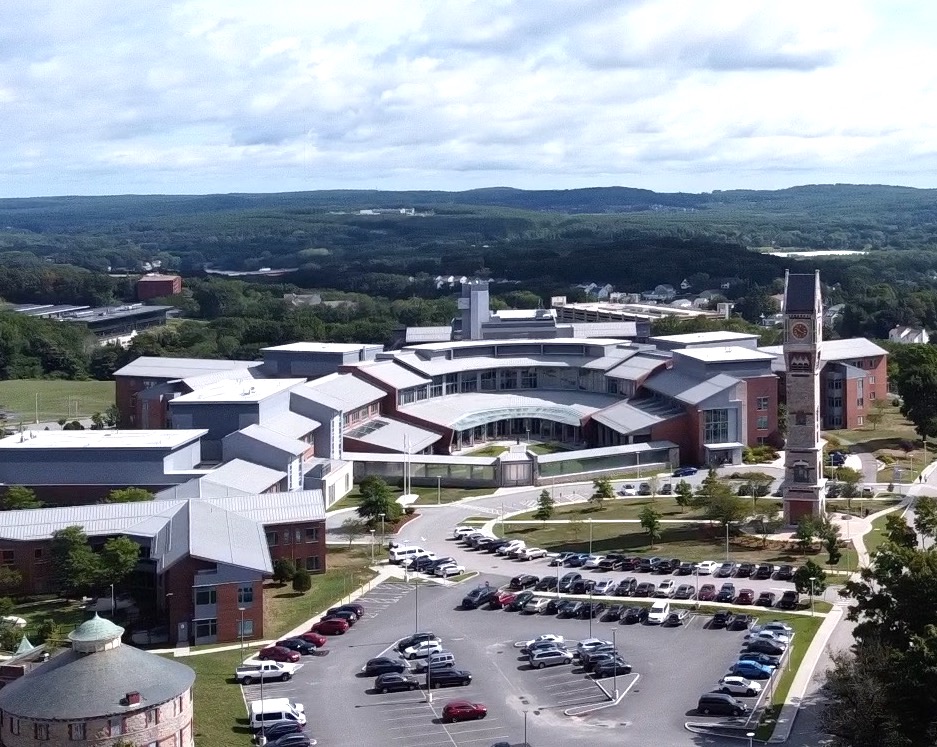
Welcome to the University of Massachusetts Chan Medical School
& Worcester Recovery Center and Hospital
Internship in Clinical Psychology
The University of Massachusetts Chan Medical School (UMass Chan) and Worcester Recovery Center and Hospital (WRCH) doctoral internship is designed to provide an American Psychological Association (APA) accredited internship to students from doctoral programs in psychology. The overarching aim of our internship training is to equip emerging psychologists with the knowledge, skills, and experience relevant to offering professional clinical services to individuals with serious mental illness. The program allows interns to match with one of two tracks: the General Inpatient/Severe Mental Illness track and the Forensic Evaluation Track, with the latter track providing some increased exposure to forensic mental health assessment. Both tracks are intended to prepare interns to function professionally in a variety of public sector contexts, including the Massachusetts Department of Mental Health (DMH).
Our mission is to provide training experiences across a broad range of ages, ethnic backgrounds, diagnostic presentations and psychopathology, and types of assessment and intervention approaches with an additional focus on person-centered recovery and wellness. Our philosophy of training is an extension of the scientist-practitioner model of psychology training developed by Dr. David Shakow at Worcester State Hospital. This training includes a focus on interdisciplinary clinical service, research, and supervision. We believe that the context for training should also be broad rather than narrow, based on principles rather than particular techniques. Because interns have diverse backgrounds and interests, we are particularly attentive to individual differences in training needs. Under the guidance of the Director of Training, a variety of opportunities and resources are available for interns to develop a program in keeping with their unique interests and professional goals
The internship program will offer four full-time funded positions in 2027-2028 that will each carry a stipend of $41,607 per year with an additional professional allowance and benefits. We will have two tracks: a general inpatient/severe mental illness track (two intern positions) and a forensic evaluation track (two intern positions). Applicants may apply to/will be considered for one track only. All rotations listed in this brochure are available to interns in both tracks with the exception of the UMass Chan Forensic Evaluation Rotation at WRCH, which is limited to the interns in the forensic evaluation track.
Internship Details
Setting:
The UMass Chan and Worcester Recovery Center and Hospital (WRCH) campuses are located in Worcester, MA, within walking distance of each other. Worcester is New England’s second largest city and an active, vibrant and energetic community. WRCH is the primary training site of the internship and is located on the site of a developing health and research biotechnology park. In addition to the adult admission and continuing care psychiatric units, the hospital has two adolescent continuing care treatment units. A forensic service (composed of evaluators from UMass Chan and the Department of Mental Health) provides forensic mental health assessment services to the hospital. UMass Chan is Massachusetts’ first and only public academic health sciences center, and its training focus includes an emphasis on practice in the public sector and in underserved areas. Please note, although we have elective rotations offering neuropsychology and health psychology exposures, our program is not a good fit for those who need either neuro or health experiences above and beyond an exposure.

Structure of the Internship:
Each intern engages in training activities in three areas throughout the year:
- Core track rotations in inpatient assessment and treatment,
- Other elective rotations, and
- Supervision, didactics, consulting, and other training programming
In general, about 18-20 hours per week, 8-16 hours to elective rotations, and one day to other training programming. The internship year is divided into two “semesters” (Fall and Spring), and interns typically move into a set of new rotations at the start of the second semester. Interns will also have the opportunity to supervise an advanced practicum student throughout the training year.
Although we follow the above structure, our program is also attentive to individual differences in training needs. Under the guidance of the Director, a variety of opportunities and resources is available for the intern to utilize in developing a program in keeping with their unique interests and professional goals. While some experiences are required of all interns (core rotations), our philosophy of flexibility dictates that the individual needs, interests, and professional goals of each intern must be considered in determining other supervised activities throughout the year. Through the development of an individualized learning contract at the beginning of the training year, each intern will select rotations that reflect and include the profession-wide competencies of internship training at UMass Chan and WRCH.
Research:
Although research is not a required activity, interns are encouraged to continue their own research or to participate in ongoing research in the Worcester area. We also usually have one to two rotations in which interns can gain research experience, and past interns have co-authored manuscripts with internship supervisors.
Core Didactics:
Interns have an extensive series of seminars. Major topics include: assessment with particular emphasis on interviewing, neuropsychology, and forensic evaluation; culturally competency treatment and assessment; professional development; psychopathology and psychopharmacology; and psychological treatment modalities. The seminar series also includes sessions on empirically based treatment interventions, psychosocial rehabilitation, and the importance of integration of ethnic diversity in assessment. Every Tuesday, didactics are held throughout the year to provide an opportunity to cover these assessment and intervention topics in some detail. Interns are also welcome to attend weekly UMass Chan Grand Rounds on a variety of mental health topics, which are held at the Medical School, as well as other regular seminars and workshops (e.g., biweekly UMass Law and Psychiatry Seminars; monthly WRCH Grand Rounds).
All trainees are involved in the following didactic and training activities:
- Core Training Seminars: Weekly seminar offering didactics in diversity, consultation, supervision, intervention, assessment, and ethics.
- Diversity, Equity, Inclusion, and Belonging (DEIB) emphasis: Our core seminars integrate a variety of diverse speakers, including individuals with lived experience expertise, and emphasizing multicultural competency throughout all topics.
- Social Justice Advocacy Seminars: Monthly project in which interns will collaborate closely with a local nonporofit organization to develop a Needs Assessment, which is then presented to their Board of Directors.
- Cultural Humility Process and Practice Group: Monthly group utilized to process and practice cultural humility in the context of working with various patients, clients, and stakeholders during the internship year.
- Professional Development Seminar Series: Monthly seminar regarding issues like pathways to various careers, negotiating wages, and barriers for women in psychology.
- Self-Care Series: Our professional development series includes a strong self-care component to more comprehensively and intentionally encourage career-long engagement in professional self-care.
- Mentoring opportunities with the local community.
Supervision:
All interns receive both individual and group supervision throughout the year. In addition to weekly group supervision experiences, our program offers at least one hour of individual clinical supervision for every 16 hours of work, but interns frequently receive an even greater amount supervision. In general, interns will typically have one primary supervisor for each rotation and often a secondary supervisor, resulting in a wide range of supervision experiences by the conclusion of the training year. Supervision is provided by licensed doctoral psychologists and post-doctoral clinicians. Additionally, each intern is expected to offer six months of peer supervision to an advanced practicum student on a therapy case.
Diversity Statement:
As part of our commitment to diversity, the University of Massachusetts Chan Medical School seeks to attract and educate students, and trainees who will contribute to the population of health care professionals representative of the national population. We are, therefore, committed to the full and meaningful inclusion of all qualified students, trainees, and employees. As part of our holistic review, consideration is also given to clinical hours that have exposed applicants to evidence-based assessment and intervention practices with a variety of populations at different levels of clinical acuity, as well as the applicants’ lived experiences.
Our commitment to fostering this culture is partially reflected in our creation in 2020 of a new position in the internship leadership structure of a Director of Diversity, Equity, Inclusion, and Belonging (DEIB). The Director of DEIB serves alongside the Training Directors of the program and is involved in all aspects of recruitment and training, including assisting with didactic programming, coordinating relevant trainings on culturally humble clinical practice, and facilitating dialogue and making space for self reflection, such as through the development of a Cultural Humility Practice and Process group, in light of critical social issues.
Land Acknowledgment Statement:
To recognize the land is an expression of gratitude and appreciation to those whose territory we reside or build learning communities on, and a way of honoring the Indigenous people who have been living and working on the land from time immemorial. University of Massachusetts Chan Medical School is a community of learners situated within a network of historical and contemporary relationships with Native American tribes, communities, parents, students, and alumni. Worcester Recovery Center and the University of Massachusetts Chan Medical School campus sits on the ancestral lands of the Nipmuc people. Recognized in 1976 by the Commonwealth of Massachusetts, the Nipmuc Nation, like all the indigenous tribes of the United States, has dealt with the history and trauma of their lands taken through violence and their personhood denied for generations. The nation was once concentrated on a three-acre plot in Grafton, but the last person to live on that reservation died in 2006. Today, many Nipmuc live and work throughout Central Massachusetts.

How to Apply:
Admission Policy:
The Internship application includes:
- The AAPI Online
- Three letters of reference
- Graduate transcripts (official)
- Curriculum vitae
- Cover letter stating your interest in either the general (adult vs. adolescent) or forensic
track - Writing sample of psychodiagnostic evaluation (deidentified)
*We abide by the new APPIC AI policy which indicates you certify that all components of your application are your own original work. You confirm that your responses reflect your independent critical thinking and accurately represent your experiences. You further certify that you have not used artificial intelligence (AI) to generate application content and that your final submission is a true representation of your own work.
Each year the internship program receives many more applications than the number of available intern positions. Most candidates are highly qualified, both in terms of academic performance and lettersof recommendation, and it is often very difficult to differentiate the candidates on these bases alone. Consequently, our criteria for selection must examine other variables.
One factor to which we pay close attention is whether the training experiences that we provide are consistent with the needs and interests of the candidate, insofar as those needs and interests are expressed in the application. Although not required for acceptance to the internship, we seek applications from students who have completed practica in inpatient psychiatric settings and similar sites, and from students who have gained some experience with psychological assessment and intervention with individuals with severe mental illness. In our training sites, the intern will work with public sector clients, and we encourage applications from individuals who have some relevant training experience and future interests working in the public sector and/or with this population. The two internship tracks (General/SMI and Forensic) are designed to allow interns to gain the experiences necessary to be competitive applicants for postdocs in settings that provide specialization in the care and assessment of individuals (either adults or adolescents) with SMI. The forensic track also prepares interns to be competitive applicants for forensic postdoctoral opportunities. Overall, the match between candidates’ interests and the aims of the internship are examined carefully.
Therefore, in the cover letter, applicants should clearly explain how their goals align specifically with the public sector/severe mental illness mission of the internship, and applicants should identify or list their UMass Chan-WRCH internship rotations of interest. Please include your preference for adult and/or adolescent experiences if you have one.
Application Timeline:
One goal of the Intern Selection Committee is to match the training needs of the applicant with what our program has to offer. The Selection Committee will thoroughly review each completed application and identify those applicants where there is a “goodness of fit.” We do not use Artificial Intelligence (AI) in our review process. Once reviewed, intern applicants will then be contacted and invited to virtually interview with members of the internship training staff on one of four interview dates
in January. The interview day typically runs from about 10:00am to 3:00pm EST and will include a meeting with the current interns. We ask applicants invited for interviews to not use AI to assist them on interview day, either with interview questions or with writing prompts.
Interview information for applicants applying for the 2027-2028 cohort
Dates of 2027 interviews:
Various Thursdays and Fridays in January
Interview format:
All applicant interviews will be virtual and conducted entirely online. There will be no in
person interviews or planned visits to the UMass Chan-WRCH facilities.
The training year typically begins on the 1st of July (or the next business day), with a mandatory orientation period lasting approximately three to four weeks.
Additional important information for applicants: As outlined in 101 CMR 23.00, all staff working in these settings must be vaccinated annually against seasonal influenza and remain up to date with available COVID-19 vaccines. Alternatively, Staff may choose to decline vaccination, in which case they must provide a signed declination statement certifying that they have received information regarding the risks and benefits of the COVID-19 and/or influenza vaccines. To comply with regulatory requirements, 100%
of Staff must be accounted for in one of two categories: vaccinated or declined. Flu vaccines are available at WRCH and UMass Chan, but if you receive it elsewhere, you will be asked to provide proof of vaccination. If you have questions about required vaccines or would like to learn more about this policy, please contact the UMass Chan-WRCH Training Director.