
Research in the Fu Laboratory
We are motivated to understand the molecular causes of Type 1 and 2 diabetes by uncovering intrinsic characteristics of pancreatic β-cells that make them vulnerable to inflammation in both Type 1 and Type 2 diabetes.
The unique metabolic properties that allow β-cells to act as glucose sensors may also contribute to their role in triggering and amplifying inflammatory pathways. By pinpointing the exact molecular players involved, we aim to develop innovative therapeutic strategies that can prevent excessive immune cell activation in diabetes, offering new hope for treatment.
Identifying Molecular Effectors of the Inflamed Islet Microenvironment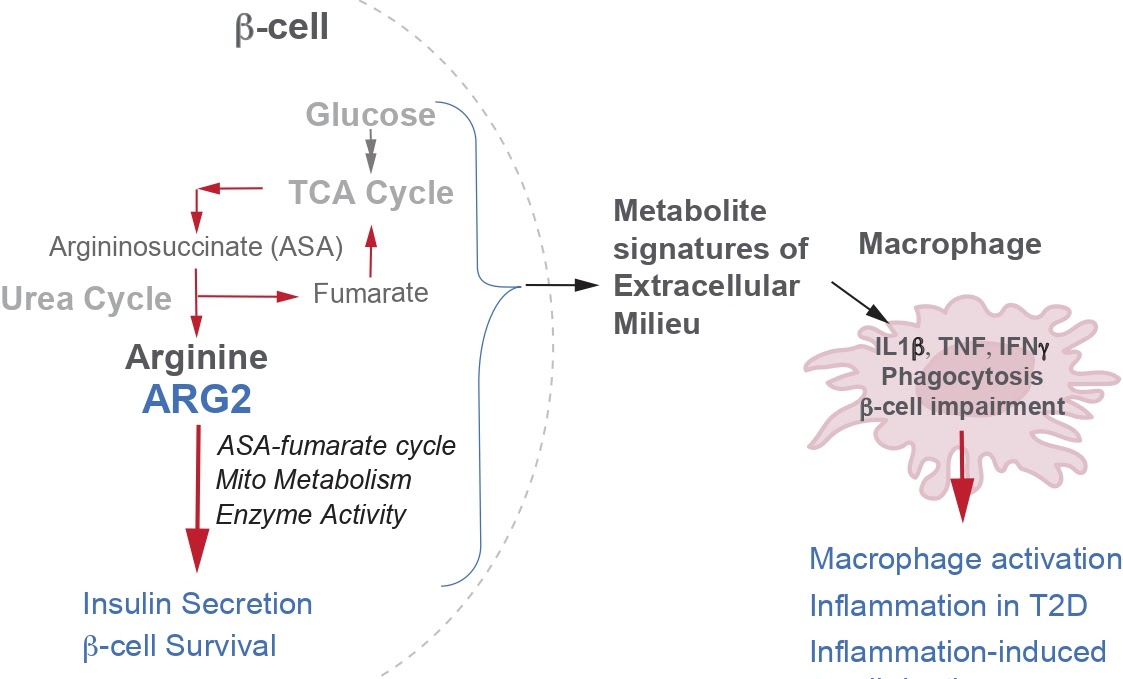
We predict that the unique metabolic preferences and tendencies enabling β-cells to act as glucose sensors are tied to their role in initiating or amplifying inflammatory pathways. By defining the precise molecular players, we aim to develop therapeutic strategies to mitigate unwarranted immune cell activation in diabetes by exploiting metabolic dependencies.
We have identified candidate pathways associated with disease in the human Type 1 and Type 2 islet niche. Our ongoing effects apply mechanistic studies to determine whether these candidates have cause vs. effect roles in diabetes.
Intrinsic Molecular Mechanisms of Inflammation-mediated β-cell Loss
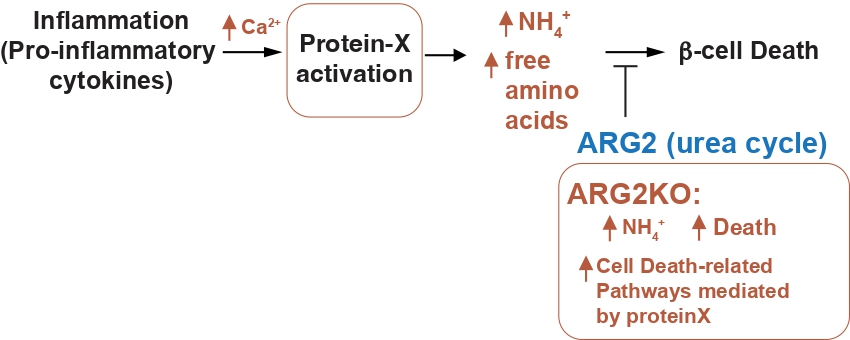 Our previous research identified an important connection between glucose metabolism and nitrogen metabolism that can help protect beta cells from inflammatory and diabetes-related stress.
One focus is Arginase 2, or ARG2, an enzyme involved in the urea cycle that can enhance beta-cell survival during stress. We are investigating whether inflammation causes harmful nitrogen accumulation within beta cells and identifying the molecular mechanisms connecting this metabolic imbalance to cell death.
Understanding these pathways could reveal new approaches to protecting beta cells from inflammation in type 1 and type 2 diabetes.
Studying Molecular Metabolic Features Required for Beta Cell Survival and Transplantation
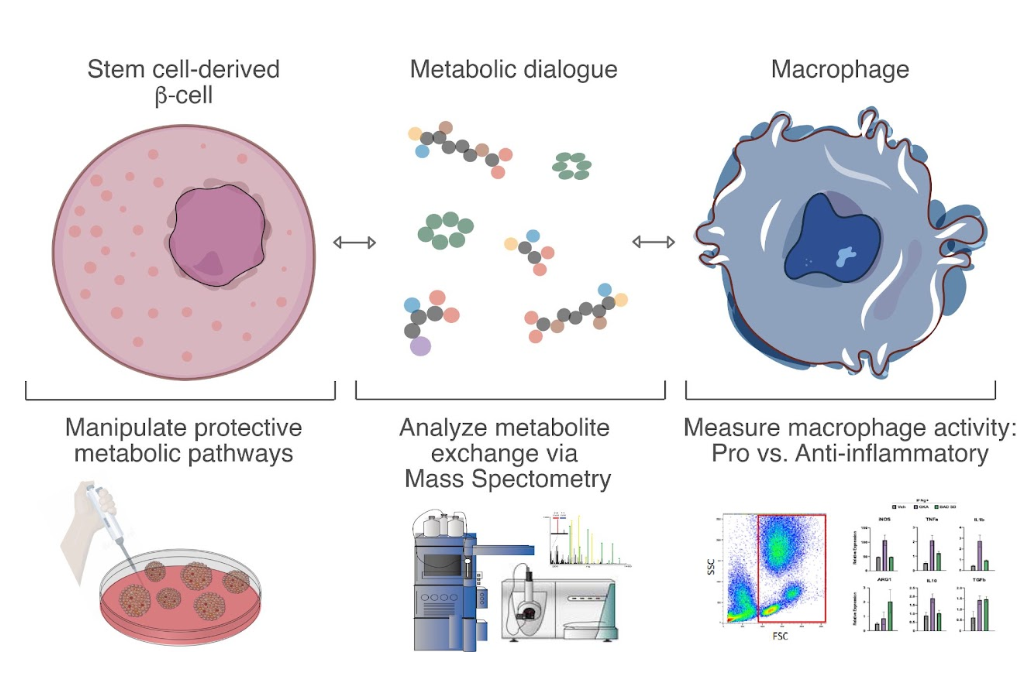 Methods to create β-cells from stem cells are rapidly improving, but these cells often fall short of native β-cells functionally and metabolically. Challenges of immune rejection and autoimmune activation must also be addressed to improve stem cell β-cell replacement therapies for type 1 diabetes.
Our work harnesses molecular metabolism to improve β-cell function and strengthen their defense against inflammatory insults. By minimizing β-cell loss, we aim to reduce inflammation and immune responses, ultimately improving the success and longevity of transplantation. Of the many immune cell types involved in transplantation and autoimmunity, we focus on macrophages as an initiating and activating component.