Ongoing projects:
1. Develop a mouse model and a gene therapy for MT-ATP6 Leigh syndrome
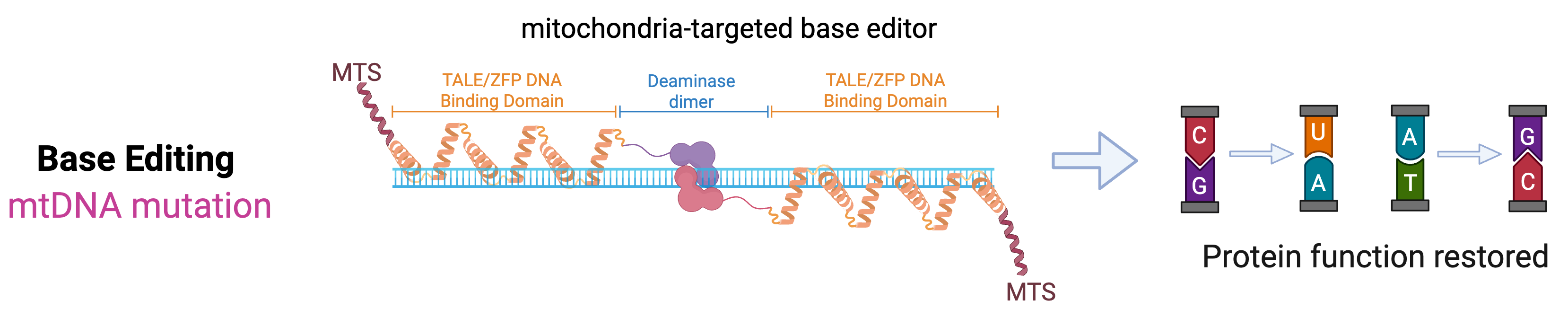
We are developing the first disease-relevant mouse model and an AAV-based gene therapy for mitochondrial DNA-encoded ATPase 6 (MT-ATP6)-related mitochondrial diseases. Mutations in MTATP6 are the most common cause of impaired mitochondrial ATP synthesis, leading to neurological mitochondrial diseases. There are currently no approved treatments for any of its disease forms. Unlike the vast majority of genes that are being targeted for gene therapy, the MTATP6 gene is encoded in the mitochondrial genome, which poses greater challenges.
2. Develop a mitochondria metabolic state-specific gene therapy for NF2-related schwannomatosis
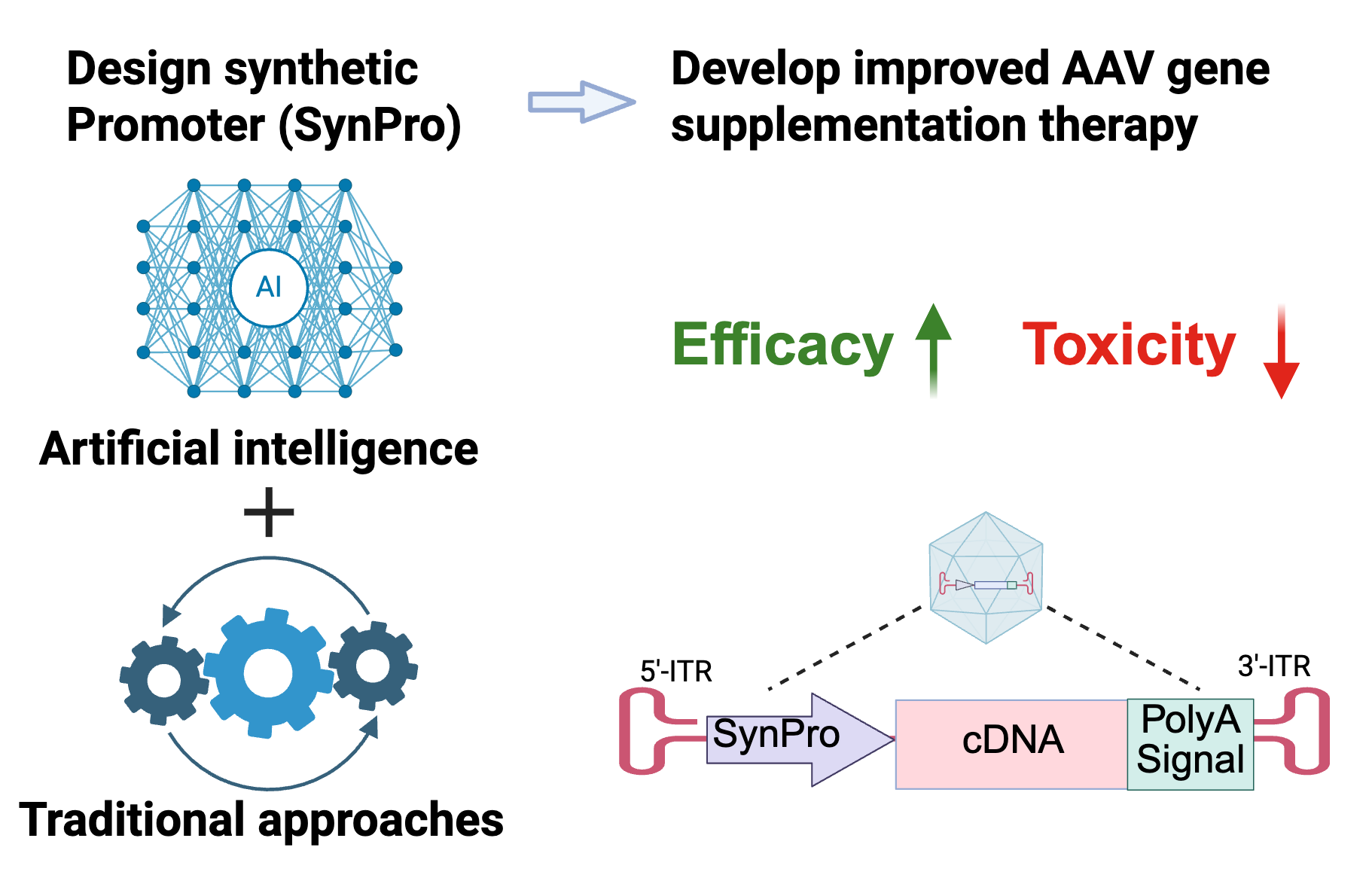
Neurofibromatosis type 2-related schwannomatosis (NF2-SWN) is a rare, inherited tumor predisposition syndrome characterized by the development of multiple benign tumors of the nervous system, particularly bilateral vestibular schwannomas. It is caused by loss-of-function mutations in the NF2 gene, which encodes the tumor suppressor protein MERLIN. We are developing a gene therapy for this devastating disease by engineering a cell state-specific synthetic promoter (SynPro) in mitogate cytotoxicity and increase cell target specificity. Successfully establishing this platform can significantly improve the safety, efficacy, as well as shortening the timeline related to the development of gene therapies.